


Integrated Facilities Management in Singapore: A Strategic Guide for Institutional Excellence

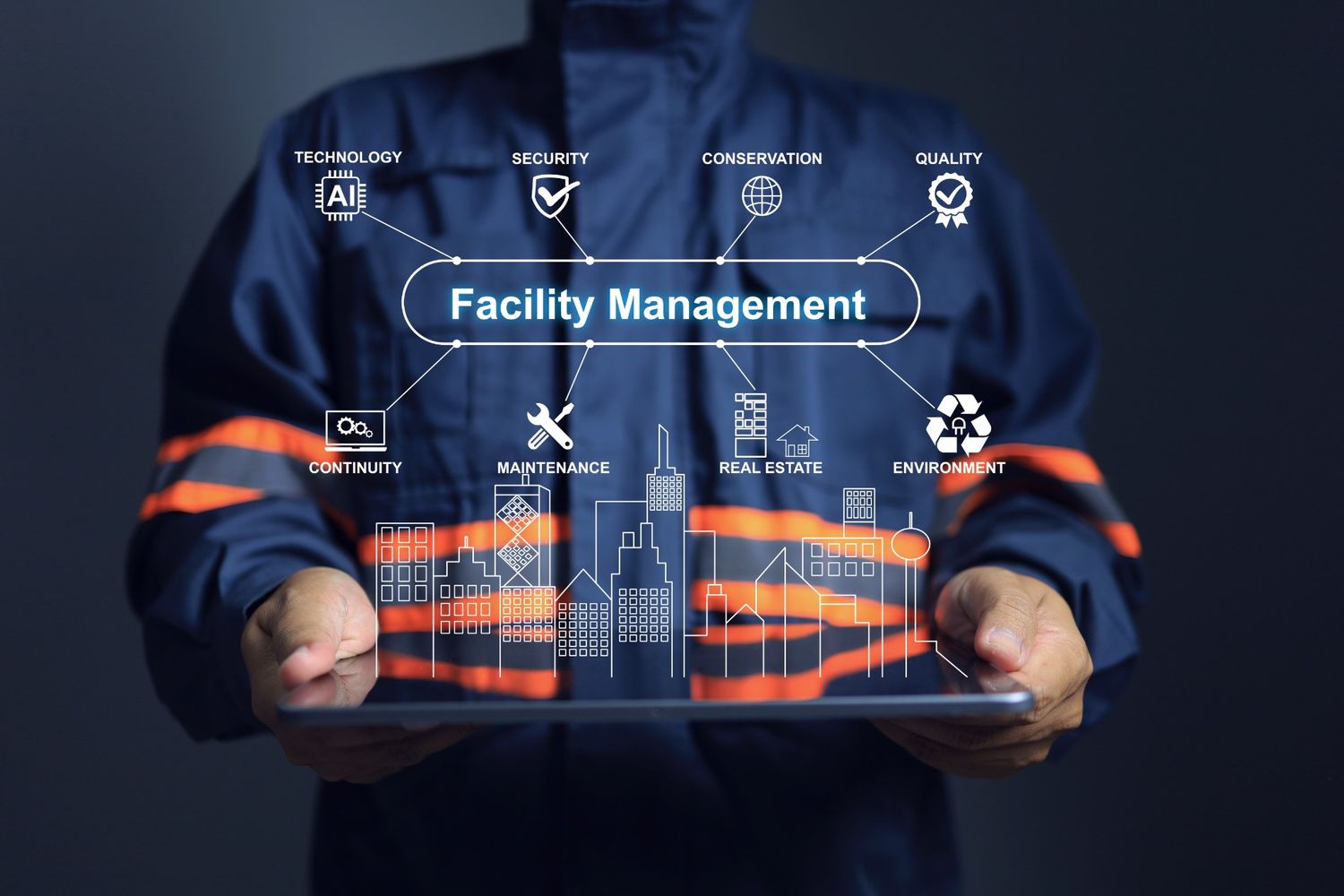
Managing large-scale facilities today is no small task, and many institutions are turning to integrated facilities management to streamline their operations. Universities, hospitals, and hospitality venues operate like living ecosystems, constantly moving, constantly evolving. Yet many institutions still rely on fragmented vendors to handle cleaning, maintenance, and specialised services. On paper, it works. In reality, it creates hidden costs, communication gaps, and serious audit risks.
One vendor handles cleaning. Another manages dishwashing. A third looks after technical maintenance. When something goes wrong, no one takes full ownership.
That’s where integrated facilities management changes the equation. Instead of juggling multiple vendors, IFM brings everything under one coordinated system, one “brain” that oversees cleaning, technical services, hygiene management, and operational workflows.
At Zion, we don’t just clean. We manage the entire ecosystem. With over 30 years of experience supporting Singapore’s most demanding institutions, we understand how to operate within strict regulatory frameworks while keeping facilities running smoothly. You can explore more about our approach on our website.
The Three Pillars of IFM: Compliance, Safety, and Scale
Effective integrated facilities management rests on three core pillars. When these work together, institutions gain control, consistency, and confidence.
1. Compliance Without the Guesswork
Singapore’s regulatory landscape is strict, and for good reason. Institutions operate in environments where hygiene, safety, and accountability directly impact public health and trust.
To stay compliant, facilities must meet:
- NEA hygiene standards for cleanliness and sanitation
- SCDF fire safety requirements for risk prevention
- MOH infection control protocols in sensitive environments
On paper, this sounds straightforward. In reality, it rarely is.
When multiple vendors handle different parts of the operation, accountability becomes blurred. One team assumes another has completed a task. Cleaning schedules overlap in some areas and miss others entirely. Documentation gets scattered across teams, or worse, doesn’t exist when you need it.
This is where audits become stressful.
We take a different approach. We centralise compliance under one system. Our team aligns every service, cleaning, maintenance, and stewarding with the relevant regulatory requirements. We document everything clearly, from daily tasks to technical servicing.
When auditors arrive, you’re not scrambling for reports or chasing vendors. You have a complete, structured record of your facility’s compliance, ready to present with confidence.
2. Safety That Protects People and Reputation
Safety isn’t just about ticking boxes. It shapes how people experience your facility every day.
A clean environment reassures. A poorly maintained one raises concerns immediately, whether it’s a student, a patient, or a hotel guest.
We focus on building safety into daily operations, not layering it on after the fact.
Our teams implement:
- Medical-grade cleaning protocols tailored to each environment
- High-touch point disinfection strategies that target the most-used surfaces
- Structured hygiene workflows that reduce human error
These aren’t isolated tasks. They work together to create a consistent standard across the entire facility.
This approach helps reduce:
- Cross-contamination risks in shared spaces
- Fire hazards in high-risk areas like kitchens
- Operational disruptions caused by hygiene failures
More importantly, it protects your reputation. In high-traffic environments, one visible lapse can undo years of trust. We make sure that doesn’t happen.
3. Scale That Matches Real-World Demand
Facilities don’t run at a steady pace. They move in waves.
Universities ramp up during orientation, exams, and major events. Hospitals deal with unpredictable patient volumes. Hotels face intense demand during peak seasons, conferences, and banquets.
Static manpower simply doesn’t work in these environments.
We design our operations to scale with you.
During high-demand periods, we increase manpower, adjust schedules, and deploy resources where they are needed most. During quieter periods, we streamline operations to maintain efficiency without overcommitting resources.
This flexibility ensures:
- Consistent service quality, regardless of volume
- No bottlenecks during peak periods
- Better control over operational costs
By matching supply to demand in real time, we keep your facility running smoothly, whether it’s a routine day or your busiest week of the year.
Sector-Specific Deep Dives: How IFM Works in Practice
Every industry has its own pressures. IFM adapts to each environment while maintaining a consistent standard of control.
Education: Managing High-Traffic Campuses with Precision
Educational institutions operate under constant pressure. Thousands of students move through lecture halls, libraries, and canteens daily. Hygiene lapses show quickly, and spread just as fast.
We support schools and universities by providing:
- Cleaners with Food Hygiene Certificates (FHC)
- Teams operating under NEA Environmental Service (ES) Licenses
- Structured cleaning schedules aligned with campus activity
Canteens, in particular, require precision. Peak recess periods demand rapid dishwashing, efficient waste management, and continuous sanitisation.
To see how this works in practice, our article on Recess Readiness: Scaling Dishwashing and Sanitisation for Singapore’s Schools breaks down how we handle high-volume canteen operations during peak periods.
You can also read more in Scaling Hygiene for Campus Life: How Integrated Janitorial Services Support High-Traffic Educational Hubs, where we explore how integrated cleaning keeps large campuses running smoothly.
By integrating cleaning and dishwashing into a single system, we help institutions maintain hygiene without disrupting daily operations.
Healthcare: From Cleaning to Infection Control
In healthcare, cleaning is not enough. Every action must support infection control.
Hospitals and clinics deal with:
- High-risk pathogens
- Vulnerable patients
- Strict MOH compliance requirements
We shift the focus from surface cleaning to clinical-grade sanitisation.
Our teams follow:
- Infection control protocols
- Cross-contamination prevention workflows
- Hospital ward sanitisation standards
We also extend hygiene into patient services, including dishwashing for meal trays and utensils.
For a deeper look at this approach, you can read The Hygiene Frontline: Why Specialised Medical Cleaning is Non-Negotiable for Patient Safety, where we break down how clinical-grade protocols protect both patients and staff.
By integrating these services, we create a controlled environment where hygiene supports recovery, not risk.
Hospitality: Solving the Back-of-House Labour Crisis
Luxury hospitality thrives on seamless experiences. Guests expect perfection. But behind the scenes, many operations struggle with labour shortages and inconsistent workflows.
Back-of-house (BOH) inefficiencies often lead to:
- Service delays
- Equipment shortages
- Increased breakage costs
We address this through structured stewarding and dishwashing systems.
Our approach includes:
- Managed stewarding manpower
- Efficient crockery and glassware handling
- Continuous workflow optimisation
For a closer look at how this plays out in hospitality environments, you can read Seamless Back-of-House Operations: The Role of Professional Stewarding in Luxury Hospitality, where we explore how structured stewarding keeps kitchens running efficiently.
You can also dive into The F&B Secret: How Professional Dishwashing Saves ROI and Protects Your Brand to see how optimised dishwashing operations directly impact cost control and overall performance.
By integrating manpower and processes, we turn BOH operations into a strength, not a bottleneck.
Technical Safety: Preventing Risks Before They Escalate
Some risks remain hidden, until they become serious problems.
Kitchen exhaust systems, for example, accumulate grease over time. Without proper maintenance, they become fire hazards.
We treat technical maintenance as part of the IFM system, not a separate task.
Our services include:
- Grease duct degreasing
- Kitchen exhaust system cleaning
- Preventive maintenance scheduling
This ensures compliance with SCDF regulations while protecting operations from unexpected downtime.
To understand why this matters, you can read Preventing Operational Downtime: The Critical Importance of Kitchen Exhaust System Maintenance, where we break down how proper exhaust cleaning protects both safety and operations.
Case Study: When Fragmentation Fails
Let’s look at a real-world scenario.
A large Singaporean educational institution managed its operations using four separate vendors:
- One for general cleaning
- One for dishwashing
- One for stewarding
- One for exhaust maintenance
On the surface, everything seemed covered.
But during a peak semester, problems emerged.
The Conflict
Miscommunication between vendors created gaps:
- Cleaning schedules overlapped in some areas and missed others
- Dishwashing teams couldn’t keep up during peak hours
- A grease build-up in the exhaust system went unnoticed
During an audit, the institution failed hygiene checks. At the same time, a fire risk was identified in the canteen exhaust system, because maintenance responsibilities were unclear.
The Zion Solution
We stepped in as the IFM lead.
Our team:
- Consolidated all services under one system
- Implemented centralised reporting and accountability
- Aligned cleaning, dishwashing, and maintenance schedules
Within 30 days, the institution:
- Cleared all NEA audit requirements
- Eliminated operational gaps
- Regained full compliance
The Result
- 15% reduction in operational overhead
- 100% compliance record
- Improved efficiency across all departments
This is the difference between managing vendors and managing a system.
The Zion Advantage: Why Integration Trumps Fragmentation
Choosing integrated facilities management is not just about convenience. It delivers measurable operational benefits.
Data-Driven Reporting
We provide clear visibility into your facility’s performance. You know:
- What has been cleaned
- When it was done
- Whether it meets standards
This removes guesswork and supports better decision-making.
Manpower Stability
Labour shortages remain a major challenge in Singapore. We solve this by:
- Maintaining trained, ready-to-deploy teams
- Providing replacements when needed
- Ensuring consistent performance
Your operations continue without disruption.
Eco-Friendly Innovation
Sustainability is no longer optional. We support ESG goals by:
- Using environmentally friendly cleaning agents
- Reducing waste and resource consumption
- Aligning with institutional sustainability targets
This allows you to maintain high standards while meeting environmental expectations.
Frequently Asked Questions (FAQ)
How does Integrated Facilities Management reduce costs compared to hiring multiple vendors?
IFM removes duplication. Instead of paying multiple management fees, you work with one coordinated system. It also reduces emergency costs by identifying and resolving issues early through preventive maintenance.
Can Zion integrate with our existing in-house maintenance team?
Yes. Our model is flexible. We can act as the lead manager or support your existing team by filling specialised gaps such as stewarding, dishwashing, or medical-grade cleaning.
How does Zion ensure compliance with Singapore’s regulatory bodies?
We follow strict protocols aligned with NEA, SCDF, and MOH standards. We also provide documented audit trails, certification for technical services, and consistent reporting to ensure full compliance.
Conclusion: A Smarter Way to Manage Institutional Operations
Institutional excellence doesn’t happen by chance. It requires structure, coordination, and accountability.
Relying on fragmented vendors may seem manageable, but over time, it creates inefficiencies, risks, and hidden costs.
With integrated facilities management, everything works together. Cleaning, maintenance, and specialised services operate as one system, supporting your institution’s goals without disruption.
At Zion, we take ownership of that system. We manage the details so you can focus on what matters most: education, healthcare, or delivering exceptional guest experiences.
Ready to streamline your facility operations? Contact Zion Maintenance today for a strategic consultation and site audit.